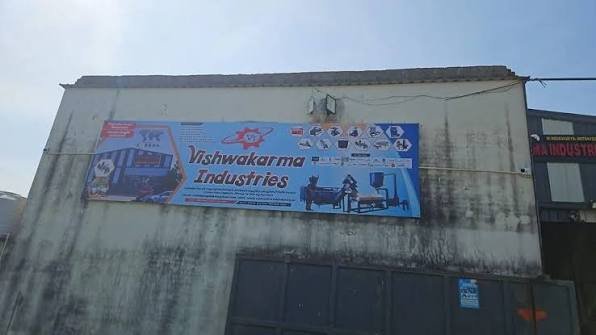
Drive along Thane-Belapur Road on any weekday and the transformation is unmistakable — corporate glass-fronted IT parks give way to chemical drums stacked outside pharma units, which give way again to engineering workshops and cold storage warehouses. This stretch is the TTC Industrial Area, one of the largest and oldest MIDC-developed industrial belts in Maharashtra, and arguably Navi Mumbai’s single most important economic engine. Spanning multiple sectors from Airoli to Turbhe, TTC blends manufacturing, chemicals, pharmaceuticals, and a thriving IT/ITES sector into one continuous industrial corridor. Here’s a complete breakdown of what operates here, where it sits, and how to get around.
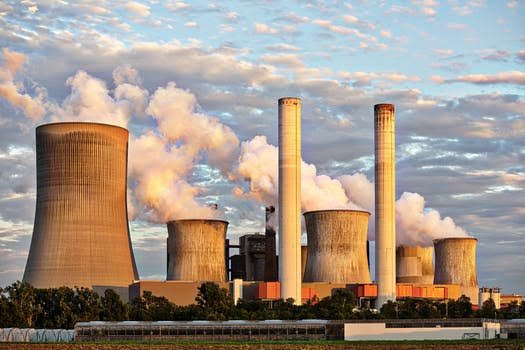
TTC Industrial Area Overview
| Category | Details |
| Full Form | Trans Thane Creek (also called Thane-Belapur Industrial Belt) |
| Location | Navi Mumbai, spanning Airoli, Rabale, Ghansoli, Mahape, Kopar Khairane, Turbhe, and Pawane |
| PIN Codes | Varies by sector — 400701 (Rabale/Mahape), 400705 (Kopar Khairane/Turbhe), 400708 (Airoli), 400709/400710 (Pawane) |
| District | Thane |
| Developed By | Maharashtra Industrial Development Corporation (MIDC) |
| Classification | Group A Industrial Area under MIDC |
| Major Industries | IT/ITES, engineering, chemicals, pharmaceuticals, life sciences, food processing, cold storage |
| Notable Companies | Siemens, Reliance Corporate Park, L&T Infotech, CtrlS Data Centre, Godrej, NOCIL, Aarti Industries, Lubrizol, Inox Air Products |
| Nearest Railway Line | Trans-Harbour Line (Mumbai Suburban Railway) |
| Key Railway Stations | Airoli, Rabale, Ghansoli, Kopar Khairane, Turbhe |
| Nearest Metro | Navi Mumbai Metro Line 1 (CBD Belapur–Pendhar), operational since November 2023 |
| Major Road Access | Thane-Belapur Road, Sion-Panvel Highway |
| Nearest Airport | Chhatrapati Shivaji Maharaj International Airport (Mumbai) / upcoming Navi Mumbai International Airport |
Where TTC Industrial Area Sits in Navi Mumbai
TTC — short for Trans Thane Creek — isn’t a single compact zone but a long industrial corridor running along Thane-Belapur Road, covering multiple MIDC-notified sectors: Digha, Kalwa, and Airoli in the north, followed by Rabale, Ghansoli, Mahape, Kopar Khairane, Pawane, Turbhe, and Nerul further south. Because it spans so many sub-localities, the PIN code changes depending on exactly where you are within the belt — a unit in Rabale or Mahape typically falls under 400701, while Kopar Khairane and Turbhe addresses use 400705, and Pawane addresses split between 400709 and 400710. This makes specifying the exact sector essential when locating any company here.
The Sector-Wise Breakdown of TTC’s Industries
One of TTC’s defining features is how distinctly each sub-sector has specialised over the decades. Understanding this breakdown helps make sense of the belt’s scale:
- Digha, Kalwa & Airoli — dominated by IT and engineering, home to companies like Siemens and the Airoli Knowledge Park, a major IT/ITES hub
- Rabale — primarily an engineering manufacturing cluster, hosting numerous machine shops and component manufacturers
- Ghansoli — focused on life sciences and IT, anchored by large campuses like Reliance Corporate Park
- Mahape — a strong electronics and IT zone, home to Millennium Business Park, CtrlS Data Centre, and L&T Infotech
- Kopar Khairane — chemical, textile, food processing, and cold storage units, including names like Inox Air Products and Fineotex Chemical
- Pawane — another chemical, textile, and cold storage hub with major pharma and dye manufacturing units
- Turbhe — a mixed zone of chemicals, IT, engineering, and food processing, hosting names like NOCIL, Godrej, and Hindustan Petroleum
This sector-wise specialisation is why TTC functions less like a single industrial park and more like a federation of industrial townships strung along one long road.
Companies and Sectors That Define TTC
Beyond the sector breakdown, a few themes run consistently through TTC as a whole:
- Pharmaceuticals and chemicals are especially dense here, with dozens of manufacturers — including Aarti Industries, RPG Life Sciences, and numerous mid-sized pharma and dye companies — clustered around Rabale, Pawane, and Turbhe
- IT and ITES has grown substantially in Mahape, Ghansoli, and Airoli, turning parts of the belt into a genuine tech corridor with data centres, software companies, and corporate parks alongside traditional manufacturing
- Engineering and general manufacturing remains strong throughout, particularly in Rabale, supplying components and machinery to industries across the Mumbai Metropolitan Region
- Cold storage, food processing, and logistics operations are concentrated in Kopar Khairane and Pawane, supporting the region’s supply chains
This diversity is a key reason TTC has remained one of MIDC’s most resilient industrial estates — a downturn in one sector rarely affects the belt as a whole.
Getting Around: Metro, Roads, and Rail
Roads
Thane-Belapur Road is TTC’s central spine, running the full length of the industrial belt and connecting it to the Sion-Panvel Highway at both ends. This gives the corridor direct access to Mumbai in one direction and Navi Mumbai/Panvel in the other, making it practical for both daily commuting and freight movement across the wider Mumbai Metropolitan Region.
Rail
The Mumbai Suburban Railway’s Trans-Harbour Line runs directly through TTC, with dedicated stations serving nearly every major sector of the belt:
- Airoli, Rabale, Ghansoli, Kopar Khairane, and Turbhe stations each sit within or close to their respective industrial sectors
- Rabale station, for instance, sits between Airoli and Ghansoli stations, giving workers in the surrounding MIDC blocks a short walk or auto ride to the nearest platform
- This dense rail coverage is one of TTC’s biggest advantages over more isolated industrial estates, since workers commuting from across Mumbai and Thane can reach almost any sector without needing a personal vehicle
Metro
Navi Mumbai Metro Line 1, running from CBD Belapur to Pendhar, has been operational since November 2023, though it currently serves the southern part of Navi Mumbai rather than running directly through TTC’s northern sectors like Airoli, Rabale, and Mahape. For now:
- Workers in the northern TTC sectors continue to rely primarily on the Trans-Harbour rail line and extensive local bus networks (routes like 2AC, 4AC, and 11AC connect various points along the belt to Thane and Vashi)
- Future metro line expansions are planned to extend coverage further, which should eventually improve last-mile connectivity for sectors currently outside the metro’s reach
What’s Nearby: Markets, Malls, and Everyday Essentials
Markets
Each TTC sector has developed its own local market ecosystem — Jai Bhawani Dainandin Bazaar and similar neighbourhood markets serve daily shopping needs for the industrial workforce spread across Airoli, Rabale, and Ghansoli.
Malls
While TTC itself is industrial in character, nearby residential sectors in Airoli, Ghansoli, and Vashi offer organised retail and mall access within a short drive, giving workers and visiting business personnel reasonable options for shopping and dining after work hours.
Everyday Essentials
- Healthcare access is solid, with NMMC Hospitals, Industrial Trauma Center, and several private hospitals like Dr. Manes Gawali Hospital and Dr. Mahajan Hospital serving the belt
- Banking infrastructure is dense throughout, with branches and ATMs of major banks like Union Bank, Bank of Baroda, and ICICI positioned close to industrial plots
- Schools and educational institutions serve the residential pockets adjoining each industrial sector, supporting families of the workforce based here
- 24×7 security and power backup are standard features across most organised industrial plots within TTC, given the scale of manufacturing and IT operations running here
Points Worth Knowing Before You Visit or Set Up Here
- Always specify the exact sector (Rabale, Mahape, Ghansoli, Pawane, Turbhe, etc.) when giving or receiving an address — the PIN code and even the nearest railway station change significantly between sectors
- Given the density of chemical and pharmaceutical units, especially in Pawane and Turbhe, visitor access to manufacturing floors typically requires prior clearance
- Rail remains the most reliable way to reach most parts of TTC; road traffic on Thane-Belapur Road can get heavy during peak commuting hours
- Metro coverage doesn’t yet extend to the northern TTC sectors, so don’t assume metro access when planning a visit to Airoli, Rabale, or Mahape — check current line status first
- Because TTC spans such a wide industrial footprint, business directories can list outdated addresses; verifying a company’s current plot and sector directly is advisable before a site visit
Frequently Asked Questions
Q1. Why does TTC Industrial Area have multiple PIN codes instead of one?
TTC spans several distinct MIDC-notified sectors — Airoli, Rabale, Mahape, Ghansoli, Kopar Khairane, Pawane, and Turbhe — each falling under a different postal area, so the PIN code depends entirely on which sector of the belt you’re referring to.
Q2. Is TTC Industrial Area only for manufacturing, or does it have IT companies too?
It’s genuinely mixed — while sectors like Rabale and Pawane remain manufacturing and chemical-heavy, Mahape, Ghansoli, and Airoli have developed into significant IT/ITES hubs with corporate parks and data centres alongside traditional industry.
Q3. What’s the easiest way to commute to TTC Industrial Area without a personal vehicle?
The Trans-Harbour Line of the Mumbai Suburban Railway is the most reliable option, with dedicated stations at Airoli, Rabale, Ghansoli, Kopar Khairane, and Turbhe serving nearly every major sector of the belt directly.
Q4. Does the Navi Mumbai Metro currently connect to TTC Industrial Area?
Not directly for the northern sectors — the operational Metro Line 1 currently runs between CBD Belapur and Pendhar, and doesn’t yet reach Airoli, Rabale, or Mahape, so commuters there should continue relying on suburban rail and local buses until future line expansions extend coverage.