Kalwar Road in North Jaipur carries a very different rhythm than the Pink City’s tourist lanes — steel re-rolling units clang beside textile workshops, foundries pour castings for agricultural implements, and small edible oil and food processing units line the side streets. This is Jhotwara Industrial Area, one of Jaipur’s oldest organised manufacturing zones, dating back to the early 1960s. Here’s a complete breakdown of the companies operating here, where it sits, how to reach it, and what facilities surround the belt.
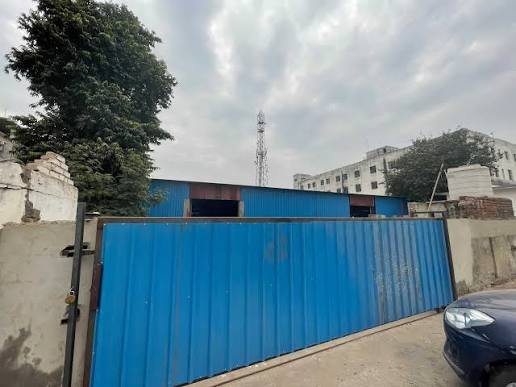
Jhotwara Industrial Area Overview
| Category | Details |
| Location | North Jaipur, along Kalwar Road and Niwaru Road |
| PIN Code | 302012 |
| District | Jaipur |
| Developed / Managed By | Rajasthan State Industrial Development and Investment Corporation (RIICO) |
| Established | Early 1960s, one of Jaipur’s oldest organised industrial zones |
| Major Industries | Textiles, steel processing & foundries, agricultural implements, food processing, furniture manufacturing |
| Notable Companies | Jagjanani Textiles Limited, Anil Special Steel Industries, BD Edible Oils, Hindustan Industries |
| Nearest Railway Station | Dahar Ka Balaji Railway Station |
| Current Metro Access | Civil Lines Metro Station (Pink Line), several km away |
| Upcoming Metro | Jaipur Metro Orange Line — Ambabari terminus close to Jhotwara, with VKIA stations further along the corridor |
| Major Road Access | Kalwar Road, Niwaru Road, NH-48 nearby |
| Nearby Localities | Vidyadhar Nagar, Sirsi Road, Bindayaka, Sarna Doongar, Vishwakarma Industrial Area |
| Nearest Commercial Hub | Triton Mall, Jaipur |
| Nearest Airport | Jaipur International Airport |
Where Jhotwara Industrial Area Sits in Jaipur
Jhotwara sits in the northern part of Jaipur city, running along Kalwar Road with Niwaru Road forming another key internal artery. It falls under the 302012 PIN code, an area so extensive that it’s shared with over a dozen surrounding villages and localities, including Sinwar, Hathoj, Bindayaka, and Dahar Ka Balaji. Over the decades, the industrial belt has grown into a genuinely mixed-use urban corridor, with residential colonies and commercial developments now sitting alongside the original manufacturing plots, a pattern common to Jaipur’s older industrial estates as the city has expanded around them.
A Look at Jhotwara’s Industrial History
Jhotwara’s manufacturing identity goes back further than most of Jaipur’s other industrial zones:
- The locality was designated an organised industrial area in the early 1960s, initially attracting small-scale units focused on textiles and metalworking
- Its early growth was driven by proximity to Jaipur’s transport networks and access to local labour, much like the neighbouring Vishwakarma Industrial Area (VKIA), which was set up around the same period
- Over time, RIICO plot allotments helped formalise and expand the estate, drawing in a wider range of manufacturing and processing businesses
- Today, secondary sector activity — including manufacturing hubs like Jhotwara — contributes a meaningful share of Jaipur district’s overall economic output
The Kind of Companies Operating in Jhotwara
Jhotwara’s industrial base spans several genuinely distinct sectors, giving the belt a diversified character rather than dependence on any single industry:
- Textiles — companies like Jagjanani Textiles Limited operate fabric production units here, continuing the area’s textile manufacturing tradition
- Steel processing and foundries — firms such as Anil Special Steel Industries and Hindustan Industries handle steel fabrication, ingot moulds, and specialised casting work, including exports of jobbing castings and stone crusher rollers
- Agricultural implements and appliances — Jhotwara hosts an identified MSME cluster producing agricultural tools, irrigation equipment, and farm machinery, supplying both local and regional buyers
- Food processing and edible oils — units like BD Edible Oils Private Limited and various food-shop-registered manufacturers process consumables for wider distribution
- Furniture manufacturing — a smaller but steady presence of furniture producers rounds out the estate’s manufacturing base
- Construction materials and assembly services — dealers and fabrication units supplying building materials and light assembly work to the local trade
This mix has kept Jhotwara functioning as a genuine backbone of Jaipur’s secondary sector, supplying everything from farm tools to steel castings across Rajasthan’s wider supply chains.
Getting Around: Metro, Roads, and Rail
Roads
Kalwar Road is Jhotwara’s central spine, running directly through the industrial belt and connecting it to the rest of North Jaipur, including Vidyadhar Nagar and Sirsi Road. Niwaru Road provides additional internal access, while NH-48 lies within reasonable reach for longer-distance freight movement toward Delhi, Ajmer, and beyond.
Rail
Dahar Ka Balaji Railway Station is the nearest rail link to the industrial area, offering both passenger and limited freight connectivity for the belt. For broader long-distance rail access, Jaipur Junction remains reachable within a reasonable drive.
Metro
Metro connectivity is a genuine work in progress for Jhotwara, much like it is for the neighbouring VKIA belt:
- The nearest operational station today is Civil Lines on the Pink Line, several kilometres away, meaning most workers currently rely on buses, autos, and shared transport
- The approved Jaipur Metro Orange Line — an under-construction 41-km corridor with 35 stations — will terminate at Ambabari in the north, a locality bordering Jhotwara, bringing metro access considerably closer once the line opens
- The Orange Line will also serve VKIA further along the route with dedicated stations, giving the broader North Jaipur industrial belt a substantial connectivity upgrade once complete
- Current construction timelines point toward completion around 2028-2031, so businesses and workers here should plan around existing road and rail options for the near term rather than the upcoming metro
What’s Nearby: Markets, Malls, and Everyday Essentials
Markets
Jhotwara has a dense network of local markets serving daily trade and retail needs, including neighbourhood shops along Kalwar Road and Niwaru Road that cater directly to the industrial workforce and surrounding residential colonies.
Malls
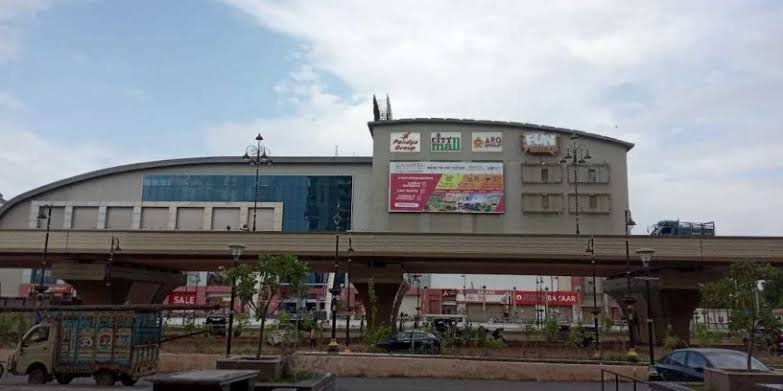
Triton Mall in Jaipur stands out as the nearest organised retail and entertainment hub for workers and visitors in the Jhotwara belt, offering a step up from the estate’s otherwise modest local retail options.
Everyday Essentials
- Multiple bank branches and ATMs — including State Bank of India, Bank of Baroda, ICICI Bank, Union Bank of India, and UCO Bank — are well distributed through the industrial area
- Local schools and small colleges serve families of the workforce based in and around Jhotwara
- Everyday necessities like grocery stores, general stores, and food shops are scattered throughout the estate’s numerous lanes and side roads
- Police coverage is provided through the Jhotwara and Bindayaka police stations serving the broader locality
Points Worth Knowing Before You Visit or Set Up Here
- Given how extensively the 302012 PIN code is shared across dozens of surrounding villages, always confirm the exact plot number and nearby landmark before a site visit, since generic addresses can be genuinely ambiguous here
- Jhotwara’s steel and foundry units involve heavy processing work, so casual visitor access to production floors typically requires prior coordination
- Metro access remains limited for now; factor in road or rail travel time until the Orange Line’s Ambabari terminus becomes operational
- The area’s gradual shift toward mixed residential-commercial-industrial use means traffic and civic infrastructure can vary noticeably between older and newer sections of the belt
- Given the presence of textile, steel, and agricultural implement exporters, businesses dealing with Jhotwara-based companies should verify current registration and export documentation directly, as unit scale and specialisation vary considerably across the estate
Frequently Asked Questions
Q1. What is the PIN code of Jhotwara Industrial Area, Jaipur?
The PIN code is 302012, an area shared with numerous surrounding villages and localities in North Jaipur.
Q2. What industries is Jhotwara Industrial Area best known for?
Jhotwara is historically known for textiles and steel processing, alongside a strong MSME cluster in agricultural implements and appliances, plus food processing and furniture manufacturing.
Q3. Will the upcoming Jaipur Metro Orange Line improve connectivity to Jhotwara?
Yes — the Orange Line’s Ambabari terminus sits close to Jhotwara, and once the under-construction corridor is completed (expected in phases toward the late 2020s), it should significantly reduce dependence on road transport for commuters here.
Q4. How is Jhotwara different from the nearby Vishwakarma Industrial Area (VKIA)?
Both were developed around the same era and sit close together in North Jaipur, but Jhotwara leans more toward textiles, steel foundries, and agricultural implements, while VKIA is more strongly associated with metal fabrication, marble/stone handicrafts, and a larger overall unit count — so it’s worth confirming which estate a specific company belongs to when doing business in the area.