If you’ve ever needed a rare spare part for an old car anywhere in North India, chances are someone told you to head to Mayapuri. This West Delhi industrial belt is home to Asia’s largest automotive scrap and used parts market, a sprawling network of sheds and workshops that has been dismantling and reselling vehicles since the mid-1970s. Mayapuri Industrial Area Phase 2 is the second of the estate’s two industrial phases, and together they’ve earned Mayapuri the nickname “India’s junk metal capital.” Here’s a complete breakdown of the companies operating here, its exact location, connectivity, and the facilities surrounding this unique industrial zone.
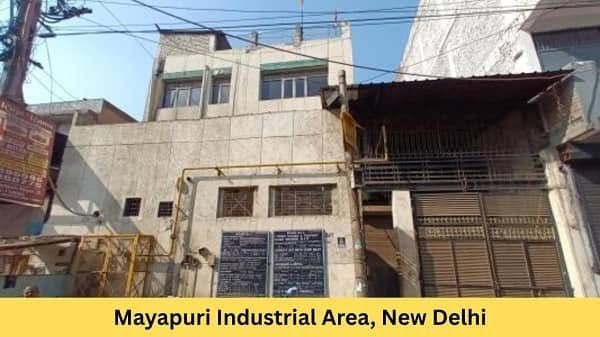
Mayapuri Industrial Area Phase 2 Overview
| Category | Details |
| Location | West Delhi, part of the broader Mayapuri industrial belt |
| PIN Code | 110064 |
| District | West Delhi |
| Established | Estate developed in 1975 during a Delhi decongestion drive; original trade relocated from Motia Khan and Turkman Gate |
| Major Industries | Automotive scrap and used parts, metal recycling, auto components, packaging, engineering |
| Notable Market | Mayapuri Car Market — Asia’s largest automotive scrap and used auto parts market |
| Population (Mayapuri overall) | Approx. 81,500 residents |
| Nearest Metro Station | Mayapuri Metro Station (Pink Line) |
| Major Road Access | Ring Road, Najafgarh Road |
| Nearby Localities | Naraina, Hari Nagar, Subhash Nagar, Rajouri Garden, Maya Enclave |
| Nearest Railway Station | Delhi Cantt / Patel Nagar (via nearby rail links) |
| Nearest Airport | Indira Gandhi International Airport, approx. 12-15 km |
Where Mayapuri Industrial Area Phase 2 Sits in Delhi
Mayapuri Industrial Area Phase 2 sits in West Delhi, bordered by Naraina to the east, Hari Nagar to the south, Subhash Nagar to the southwest, and Rajouri Garden to the north. It falls under the 110064 PIN code, shared with the adjoining Phase 1 industrial area and surrounding residential pockets like Maya Enclave and Hari Nagar. Unlike many industrial estates pushed to Delhi’s outer edges, Mayapuri sits genuinely central within West Delhi, close to the Ring Road and within easy reach of several well-known residential and commercial neighbourhoods.
The Story Behind Mayapuri’s Scrap Industry
Mayapuri’s identity as India’s junk metal capital has a specific and well-documented origin:
- In 1975, during India’s Emergency period, the Delhi administration relocated scrap dealers and small businesses dealing in automobile parts and metal recycling from congested central areas like Motia Khan in Paharganj and Turkman Gate to Mayapuri
- This relocation was part of a broader urban decongestation effort, and plots across both Phase I and Phase II were allocated specifically for light industries centred on scrap processing
- The area now processes imported scrap metal from global sources alongside domestic vehicle scrap, cementing its reputation as one of India’s most significant recycling and dismantling hubs
- The Mayapuri Car Market itself traces back even further — its origins lie in a 1947 market at Motia Khan, before its eventual relocation and expansion into the Mayapuri estate from 1975 onward
The Kind of Companies Operating in Mayapuri Phase 2
Phase 2’s business base is dominated by the automotive scrap and parts trade, though the estate hosts a genuinely wider mix of industries as well:
- Automotive scrap and used parts trading — thousands of shed-based operations deal in scrap vehicles, used engine and body parts, and rare components for cars and commercial vehicles, serving buyers from across northern India
- Metal scrap trading — copper, iron, and aluminium scrap trading forms a significant parallel business alongside vehicle dismantling
- End-of-Life Vehicle (ELV) processing — specialised units collect and dismantle end-of-life and commercial vehicles, extracting reusable parts like engines, gearboxes, and universal joints for resale
- Auto components and accessories — spare parts dealers and accessory manufacturers, including car audio and wiring harness makers, operate alongside the scrap trade
- Packaging — companies manufacturing poly bags and packaging materials have a registered presence in the estate
- General engineering and manufacturing — smaller engineering and metal-forging units round out the estate’s industrial base beyond the dominant scrap trade
This concentration has made Mayapuri Phase 2 an essential node in India’s automotive recycling economy, with buyers travelling from across the country specifically to source parts unavailable elsewhere.
Getting Around: Metro, Roads, and Rail
Roads
Ring Road runs close to Mayapuri, providing direct connectivity to other parts of Delhi, while Najafgarh Road serves as another key artery linking the industrial area to neighbouring West Delhi localities. This central positioning gives Mayapuri genuinely strong road access compared to more peripheral industrial estates, useful both for the daily movement of scrap vehicles and for customers travelling in to source parts.
Rail
While Mayapuri doesn’t have a dedicated major railway station of its own, nearby stations along Delhi’s suburban and metro rail network provide reasonable connectivity for workers commuting from other parts of the city, supplementing the area’s strong road-based freight movement.
Metro
Metro connectivity is a genuine strength for Mayapuri:
- Mayapuri Metro Station sits on the Delhi Metro’s Pink Line, giving the industrial area direct rapid-transit access unlike many older Delhi industrial estates that still lack nearby metro coverage
- This station connects Mayapuri to a wide stretch of the Pink Line corridor, making it convenient for both the workforce and customers travelling in from across the city to visit the car market and surrounding units
- The combination of metro access and Ring Road proximity makes Mayapuri one of the better-connected industrial estates in West Delhi
What’s Nearby: Markets, Malls, and Everyday Essentials
Markets
Beyond the famous car market itself, Mayapuri Shopping Centre serves as the postal and commercial hub for daily retail needs, while nearby Hari Nagar and Rajouri Garden offer broader shopping options for workers and residents.
Malls
Rajouri Garden’s well-established commercial and mall district sits within easy reach of Mayapuri, giving workers and visitors access to organised retail and entertainment options considerably closer than what’s typical for Delhi’s more remote industrial belts.
Everyday Essentials
- Schools including the Government Senior Secondary School near Clock Tower and Saraswati Public School in nearby Nangal Raya serve families based in and around the industrial area
- Local supermarkets and retail outlets are scattered through the Phase 2 blocks and adjoining residential pockets
- Healthcare facilities in nearby Hari Nagar and Rajouri Garden serve the immediate workforce and resident population
- Banking infrastructure and ATMs are well distributed through the estate’s commercial stretches
Points Worth Knowing Before You Visit or Set Up Here
- Given the sheer scale of the scrap and used parts trade, always confirm the exact block, plot number, and phase (Phase 1 vs Phase 2) before a visit, since the market spans a genuinely large area with shed-based operations spread throughout
- The scrap and dismantling trade involves heavy vehicle movement and metal cutting work, so visitors should exercise standard caution when navigating the estate’s workshop-dense lanes
- Environmental and regulatory compliance around vehicle scrapping has tightened in recent years with India’s End-of-Life Vehicle policies, so businesses in this trade should stay current on registration and compliance requirements
- Given the volume of used and scrap parts traded here, buyers should verify authenticity and sourcing documentation directly with dealers rather than relying solely on informal shed-front transactions
- Since Mayapuri Phase 1 and Phase 2 share the same PIN code and are physically adjoining, always double-check which phase a specific business address refers to, particularly when navigating by GPS
Frequently Asked Questions
Q1. What is the PIN code of Mayapuri Industrial Area Phase 2, Delhi?
The PIN code is 110064, shared with the adjoining Phase 1 industrial area and surrounding West Delhi localities.
Q2. Why is Mayapuri known as India’s junk metal capital?
The area was designated for scrap and metal recycling businesses in 1975 when Delhi’s administration relocated dealers from congested central areas like Motia Khan and Turkman Gate, and it has since grown into one of the country’s largest hubs for vehicle scrap, metal recycling, and used auto parts trading.
Q3. How do I find a specific rare auto part at the Mayapuri Car Market?
Given the market’s scale and shed-based layout across both phases, it’s best to ask around at a few established dealers first, as informal referrals within the market are often the fastest way to locate a specific rare part rather than searching independently across the entire estate.
Q4. Is Mayapuri Industrial Area Phase 2 well connected by metro?
Yes — Mayapuri Metro Station on the Delhi Metro’s Pink Line serves the area directly, making it one of the more metro-accessible industrial estates in West Delhi compared to several older industrial belts elsewhere in the city.